Power to Praxis
A reflection toolkit for de-colonising design.
Year
2025
Scope
Experience-led toolkit design
Client
Community Powered Responses
Duration
3 months
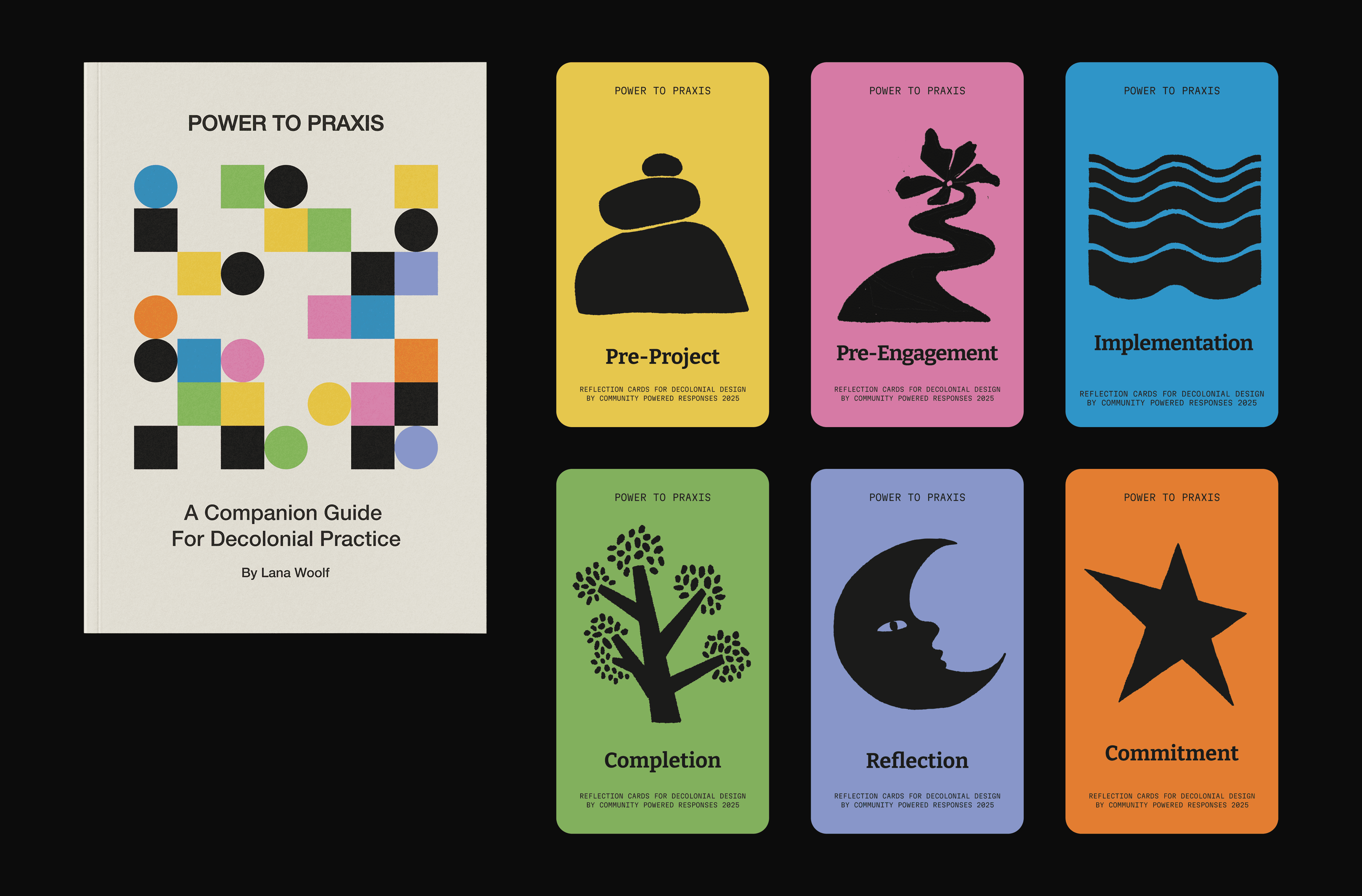
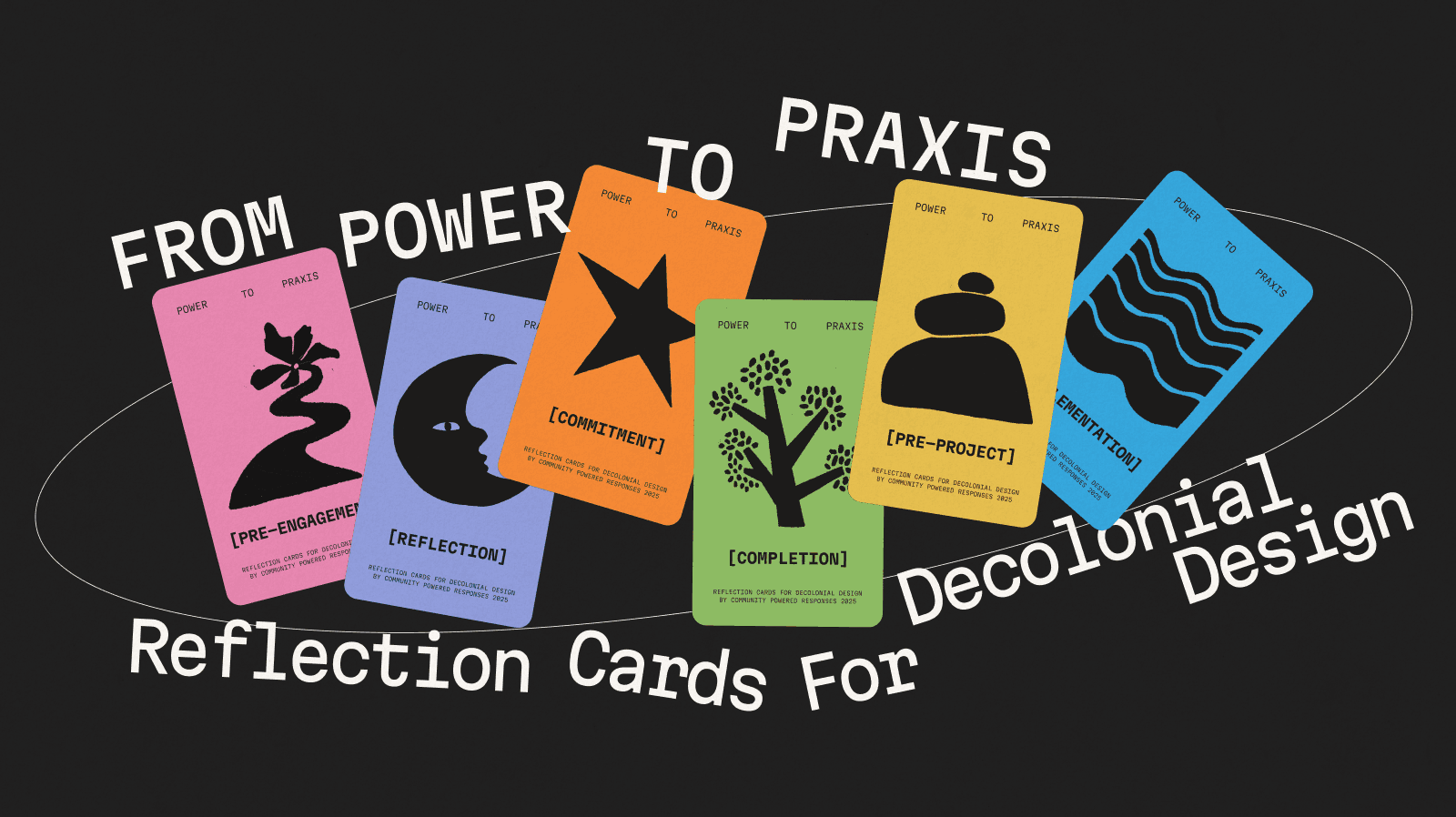
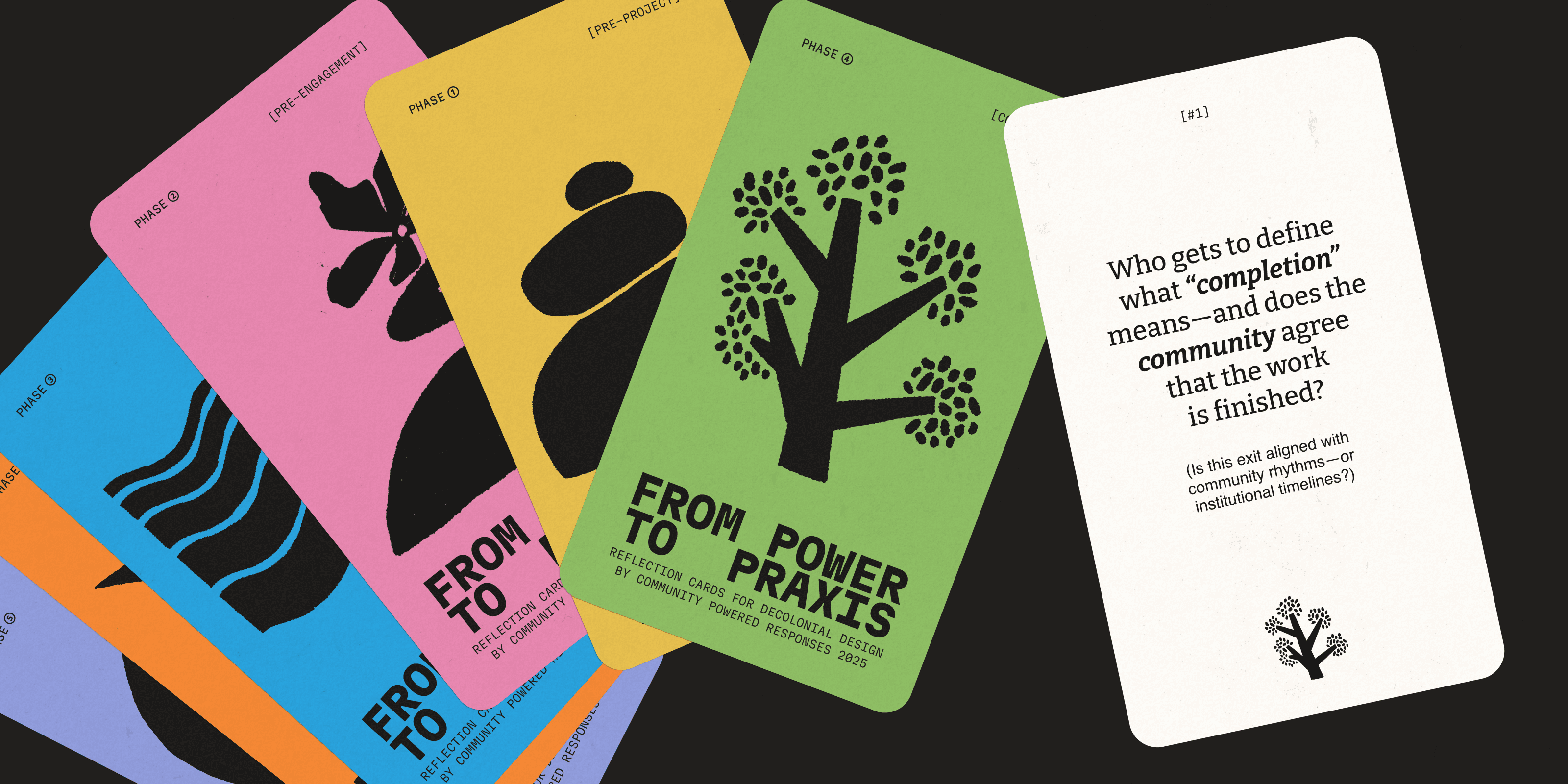
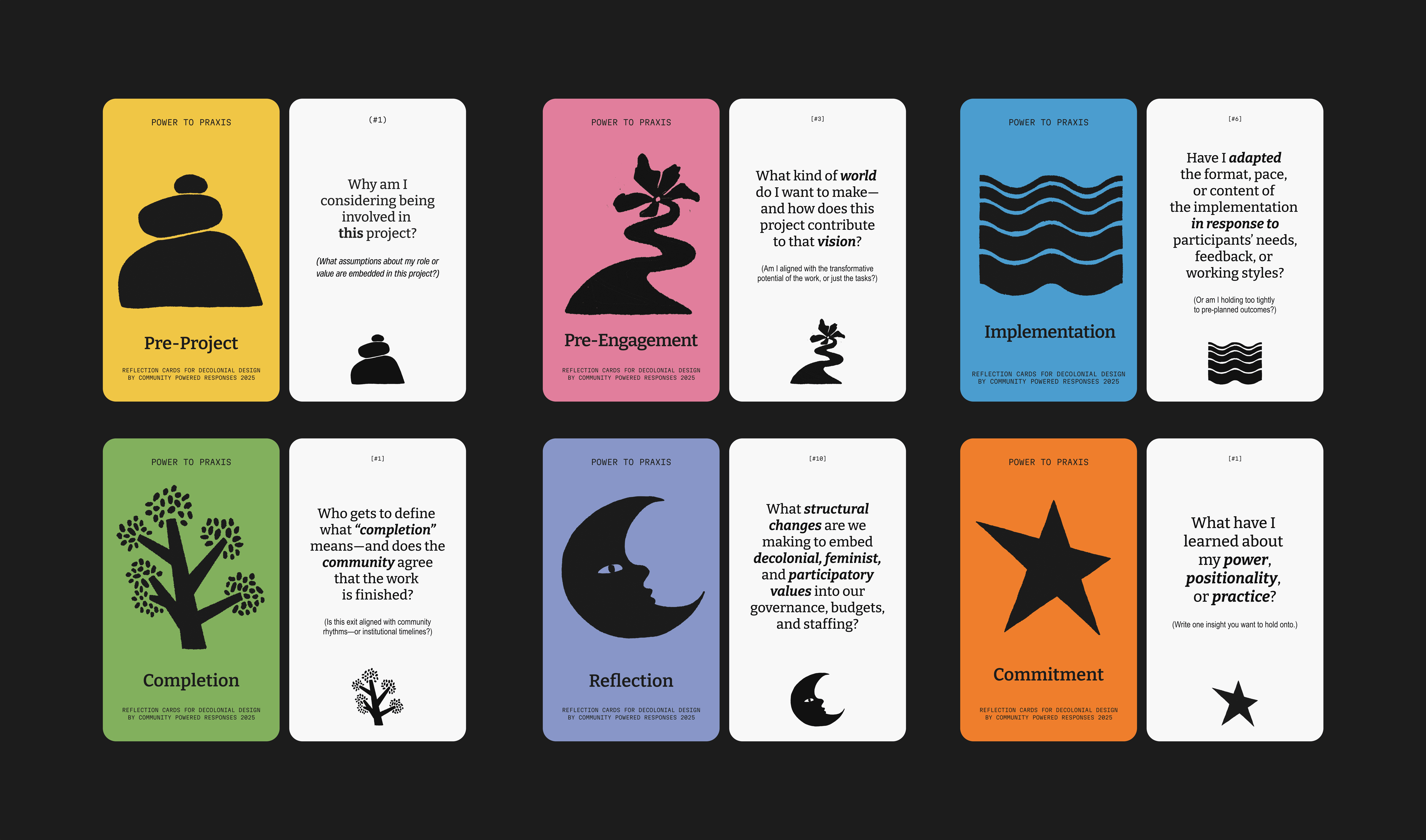
This tool kit features a pack of 54 reflections cards, including 6 different phases that are designed to assist professionals who are working in the aid and development field to reflect on their practice, and help to truly make an impact.
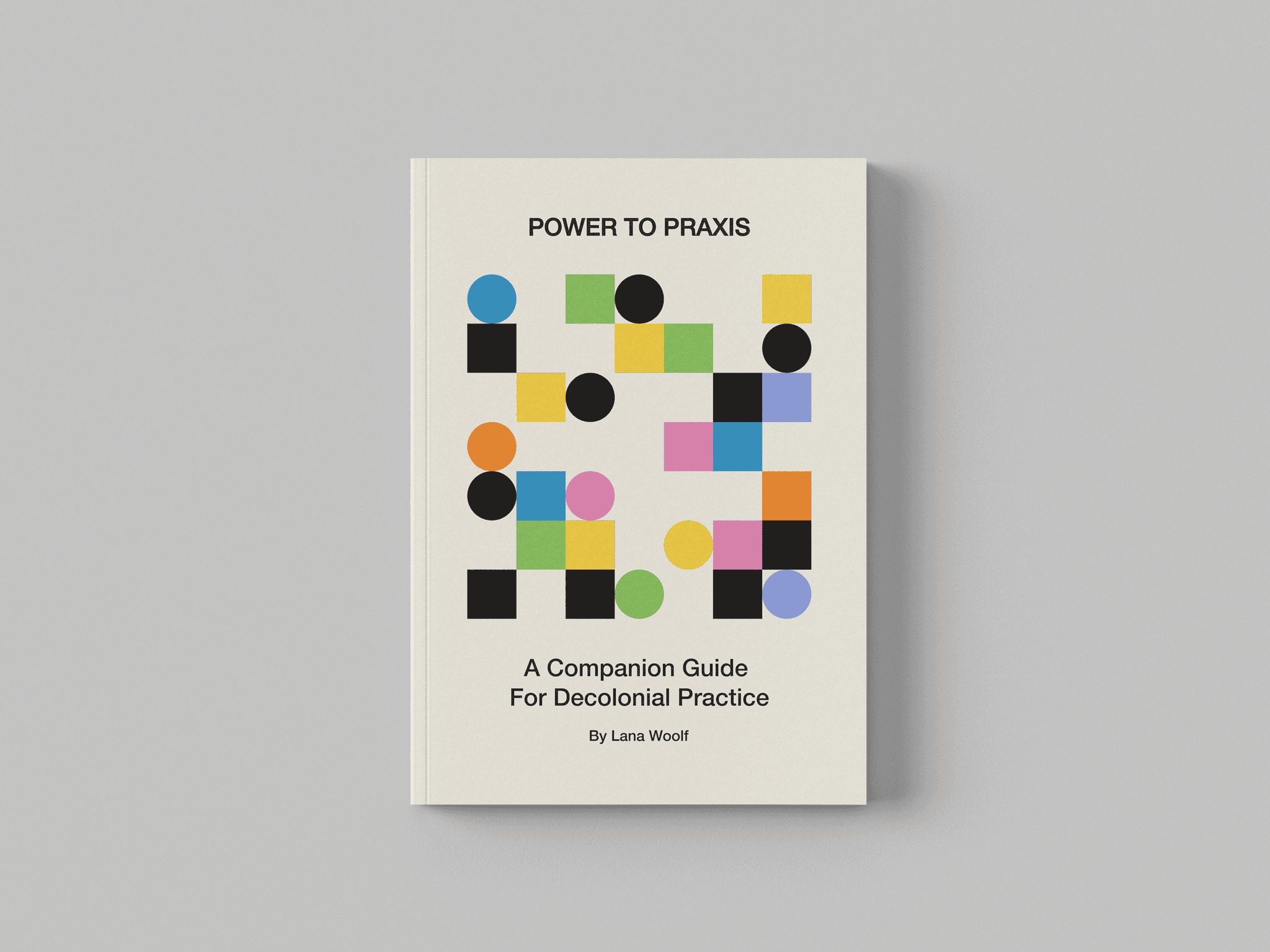
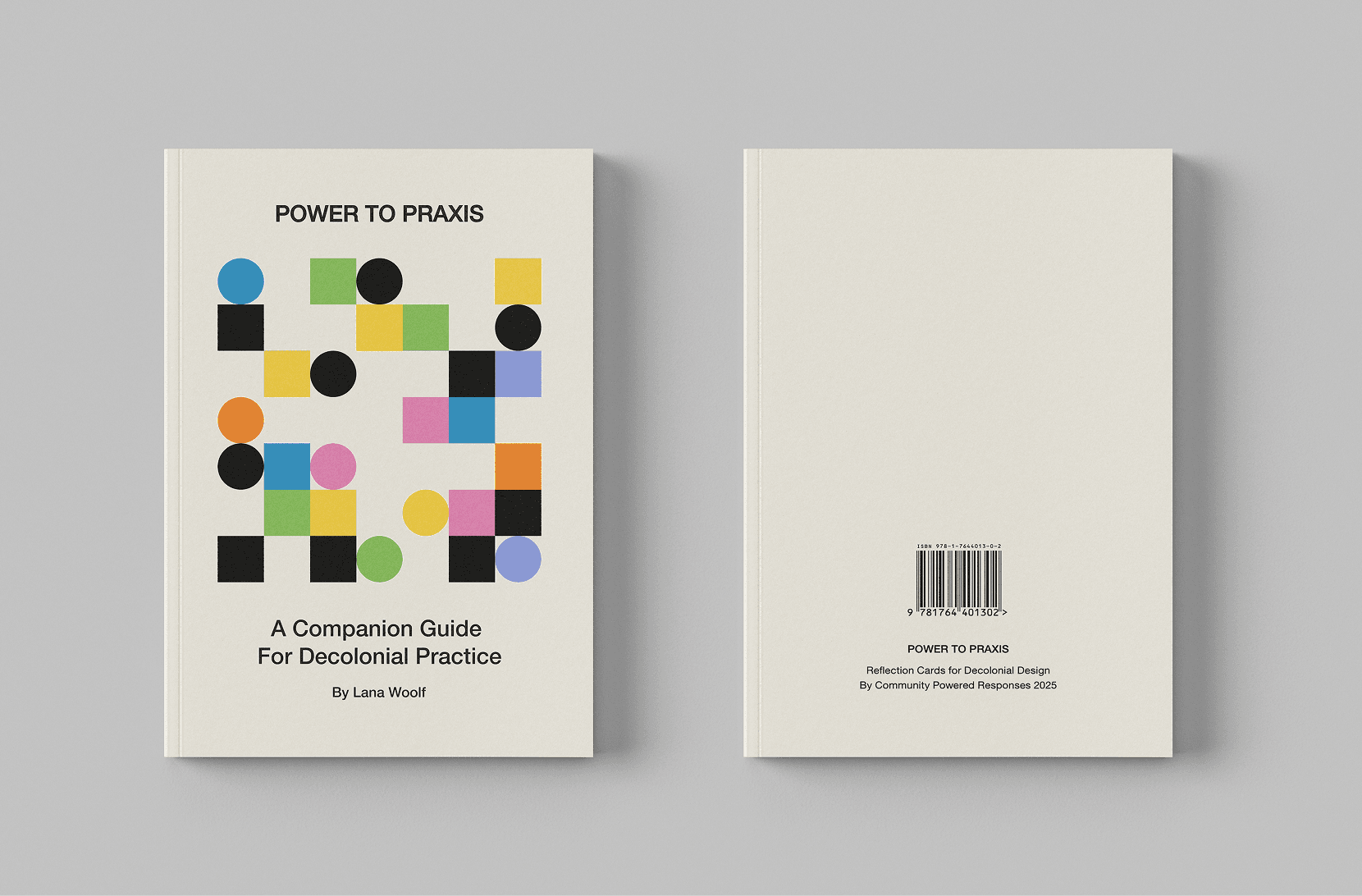
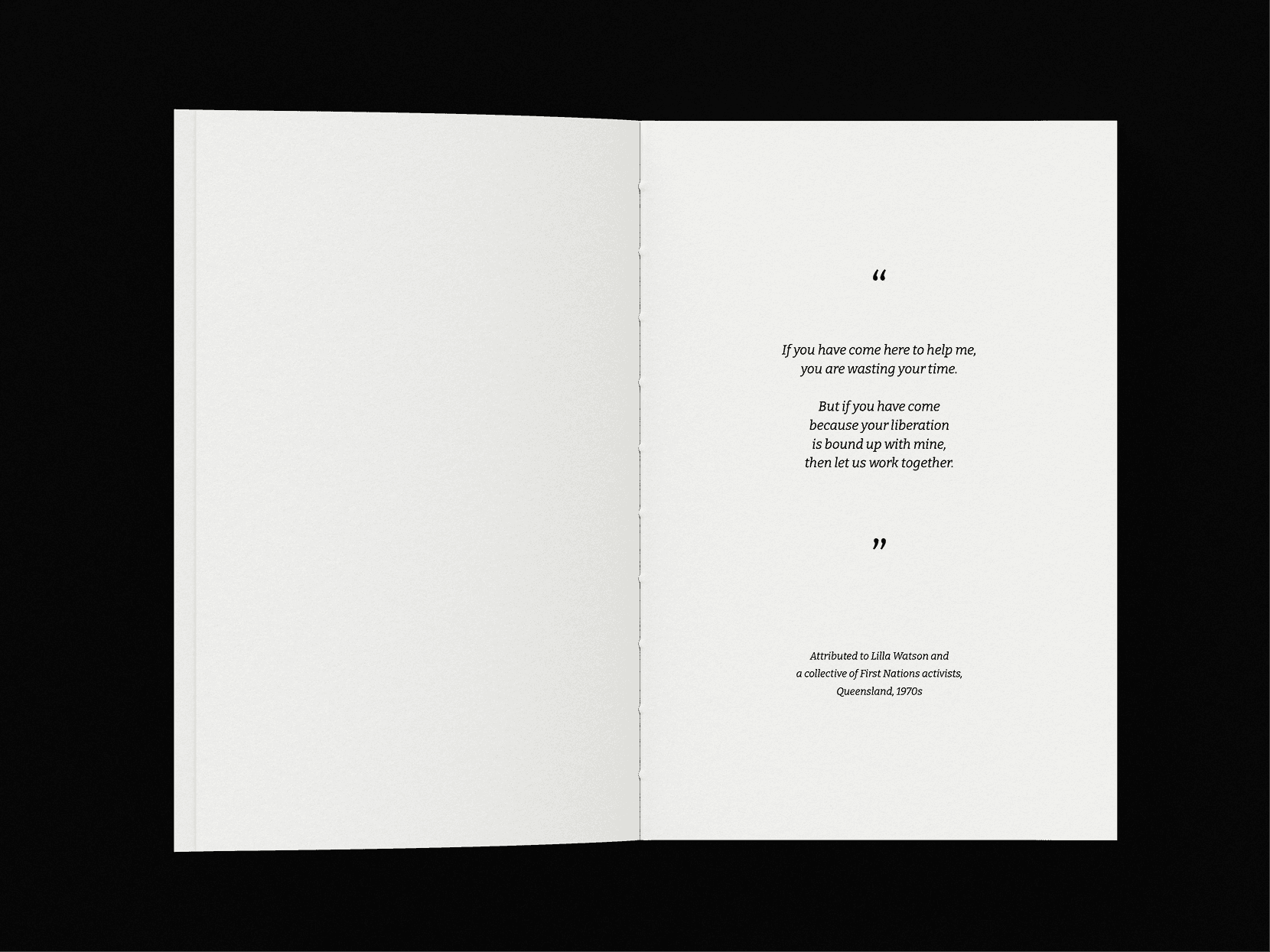
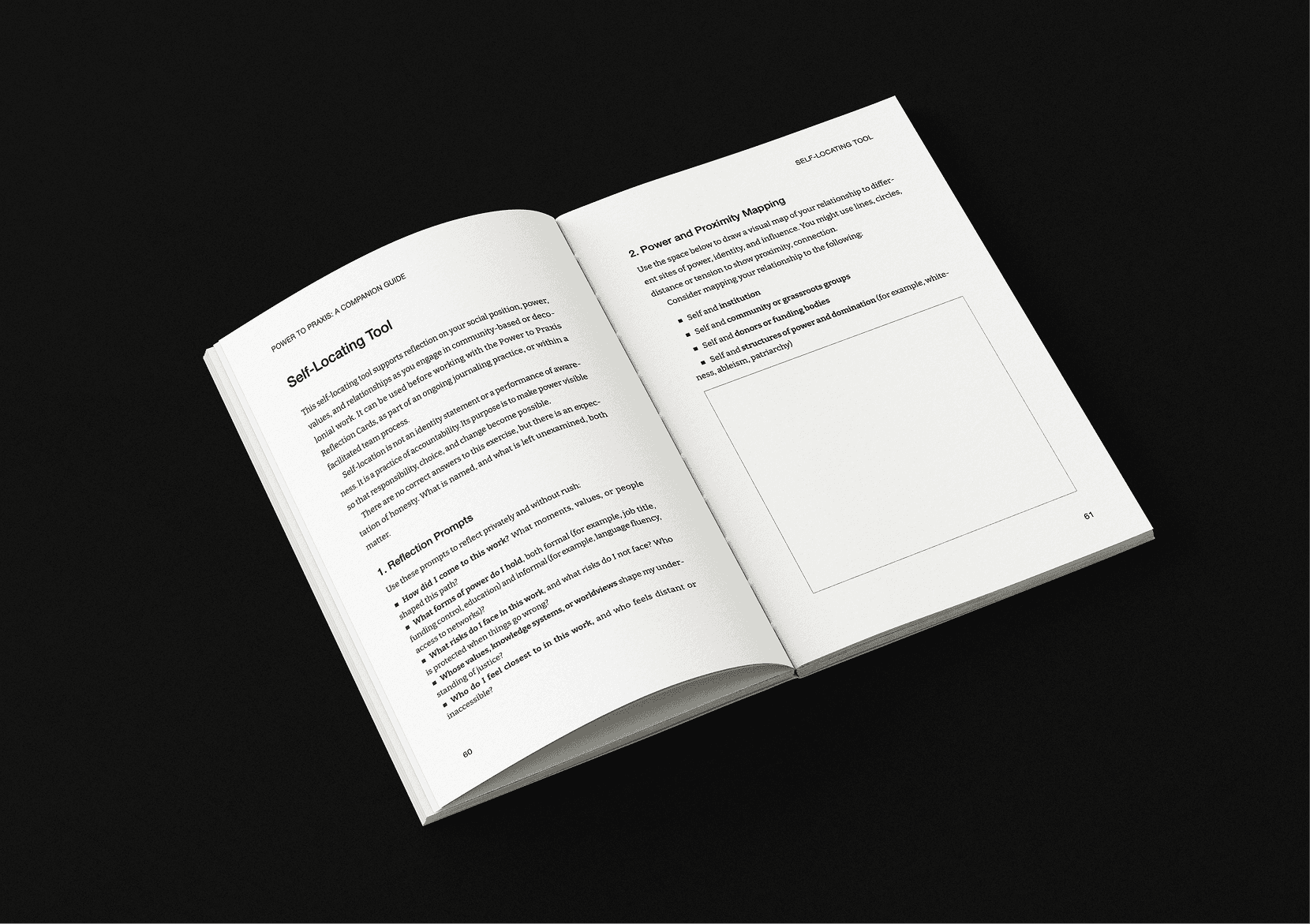
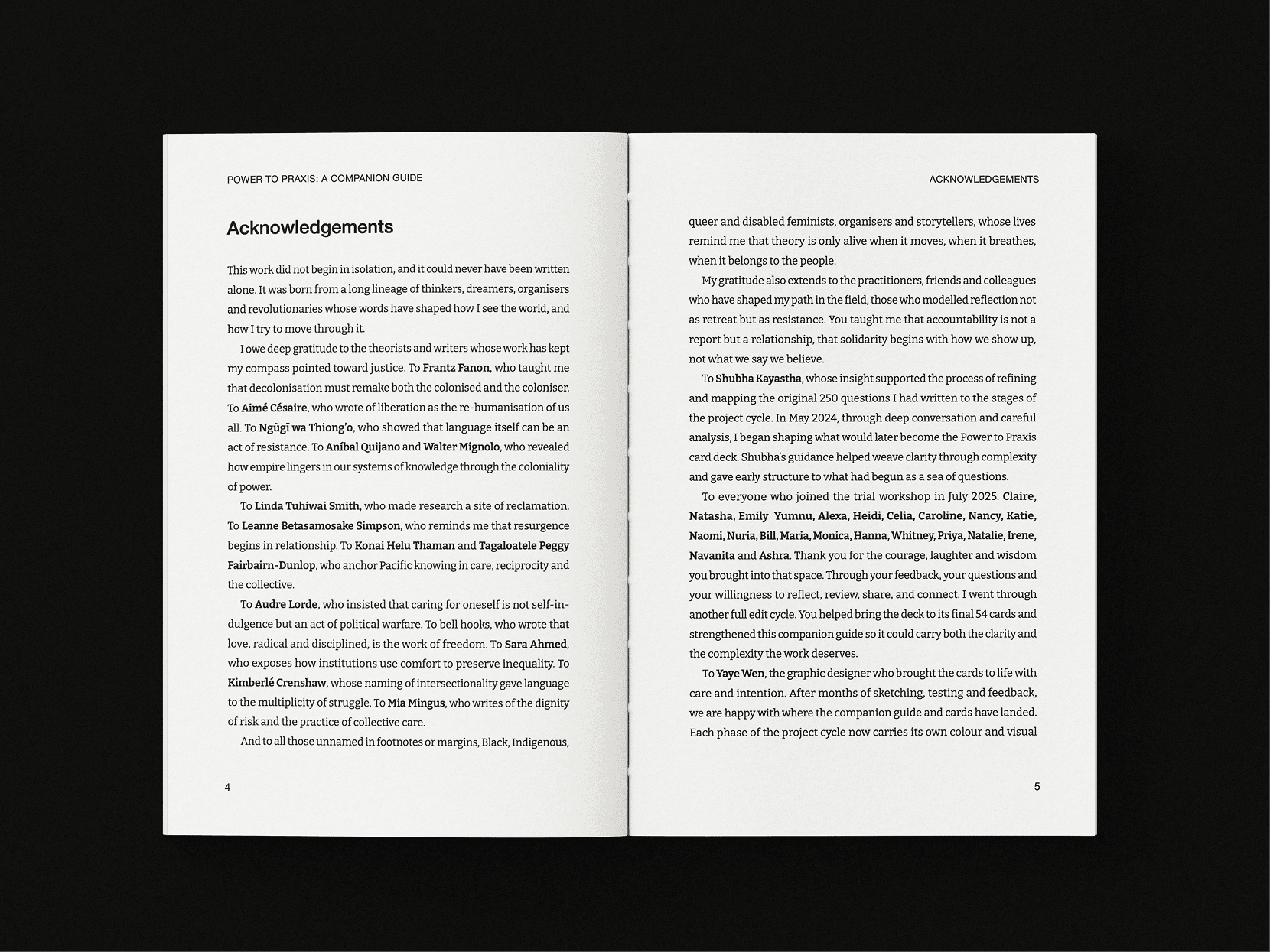
As an companion of the cards, a 88-page guide is useful to guide the users the usage, reflection and collaboration while using these cards.
My process: A Story.
I remember in the beginning sitting among the sketches, scratching my head for a direction. And it became clear to me that that if there was one thing I needed to get right, it was how these cards would feel in someone’s hands.
They shouldn’t feel like the usual slick, (sometimes almost) sterile NGO materials — an activity you could tick off and move on without ever questioning what actually changed.
These cards needed to carry weight. They demands us to confront the systems that reward efficiency over real change. In this sense, the they should feel bold. Loud.
But loud in a quiet way — creating space for reflection, and asking for humility rather than certainty.
So, Balancing that tension between bold activism and quiet humility became my north star, and it guided every design decision I made.
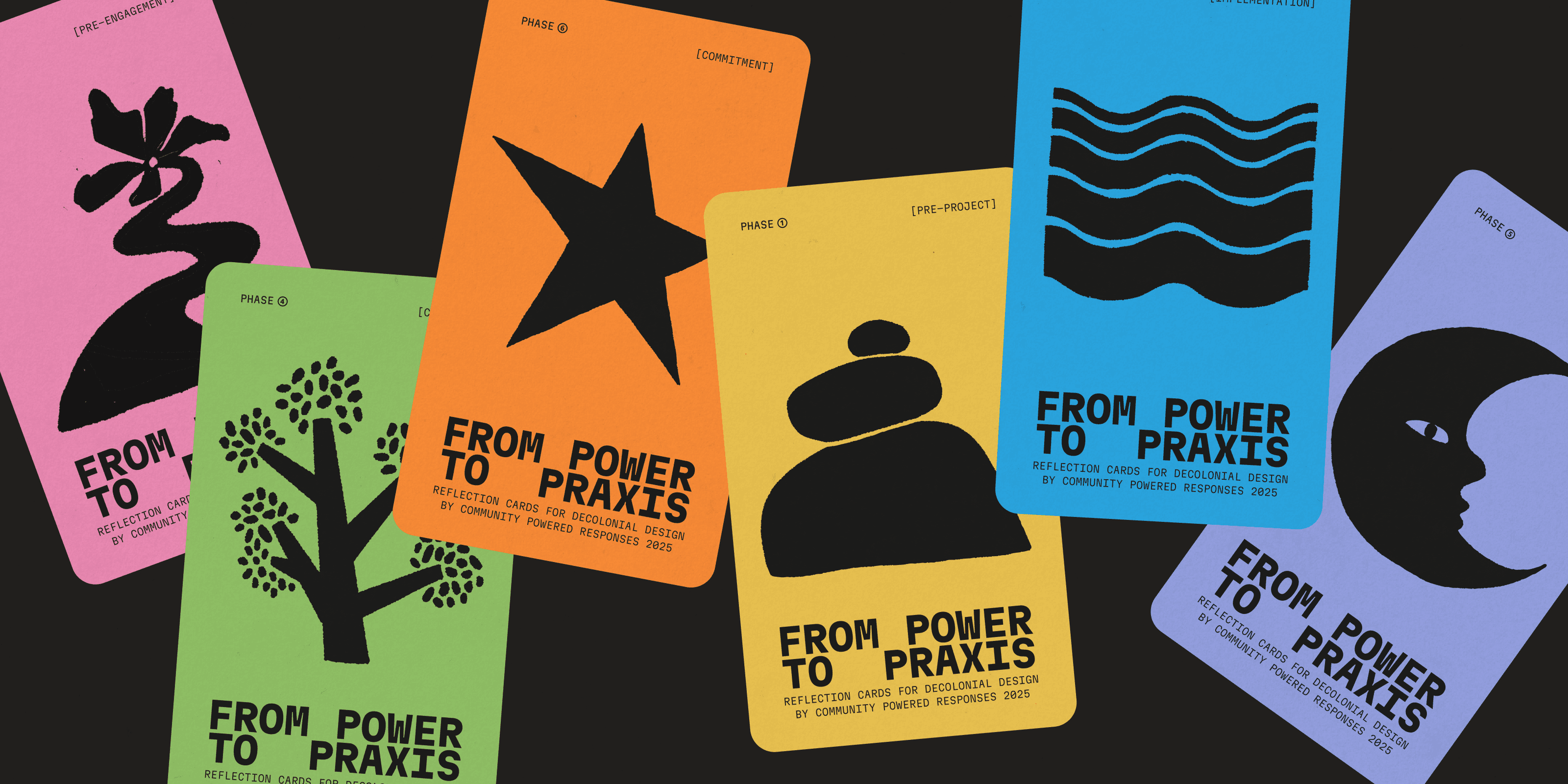
Initially I considered using colour bars/colored icons tucked away in the corner for distinguishing between different phases → instead, I chose to have the colour fill the entire background with the icons bigger and centered — which makes the cards feel more like a statement. It’s also more usable - because colours and symbols are the most intuitive mechanism for navigation — having them more obvious means that people can understand and get started with using these cards very quickly.
The iconography was something we spent a lot of time on, since it’s the first thing people see when using the cards. Each symbol tells a story.
For example, The balancing rock in the pre-project phase is about grounding and foundation — but each stone must be placed with care for the whole structure to hold.
The winding path that reaches a flower for pre-engagement, represents a journey inward, not toward castles or grand answers, but toward humility and understanding.
Through these visual stories, I wanted the cards to feel less like an instruction manual or something you consume quickly, and more like a companion — so that each time we use them, it feels like a small ritual.
Accessibility was also a major consideration. It’s something I value deeply — I believe design should be for everyone, not just something that just visually appealing, but genuinely easy to use for the people its intended for.
So, that meant throughout the project, it was all about testing before making decisions rather than making assumptions.
For example - the card size is something we figured out along the way. I cut out paper card in different sizes - some in a5, a6, tarot size and various size in between, and I asked people to hold them and surveyed how they feel. I wanted to make sure that the cards can be held comfortably by different hand sizes and the cards remain easily legible when held.
Colour contrast was treated with the same care, to make sure the cards are legible for everyone in real use.
This project has been deeply rewarding for me — knowing the cards can be used thoughtfully, in contexts that matter and carries responsibility, and hopefully support people in doing this difficult, important work with care.